
 Send Inquiry
Insulation Inspection Plug
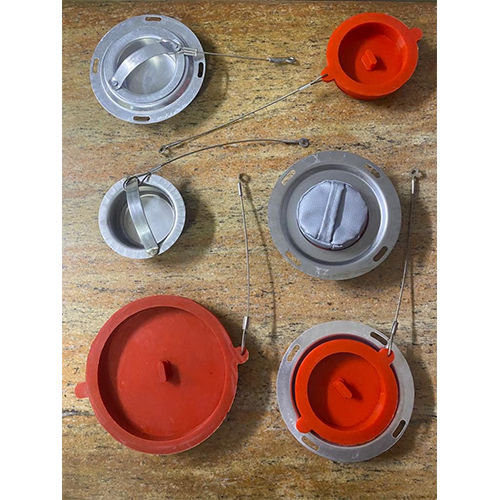
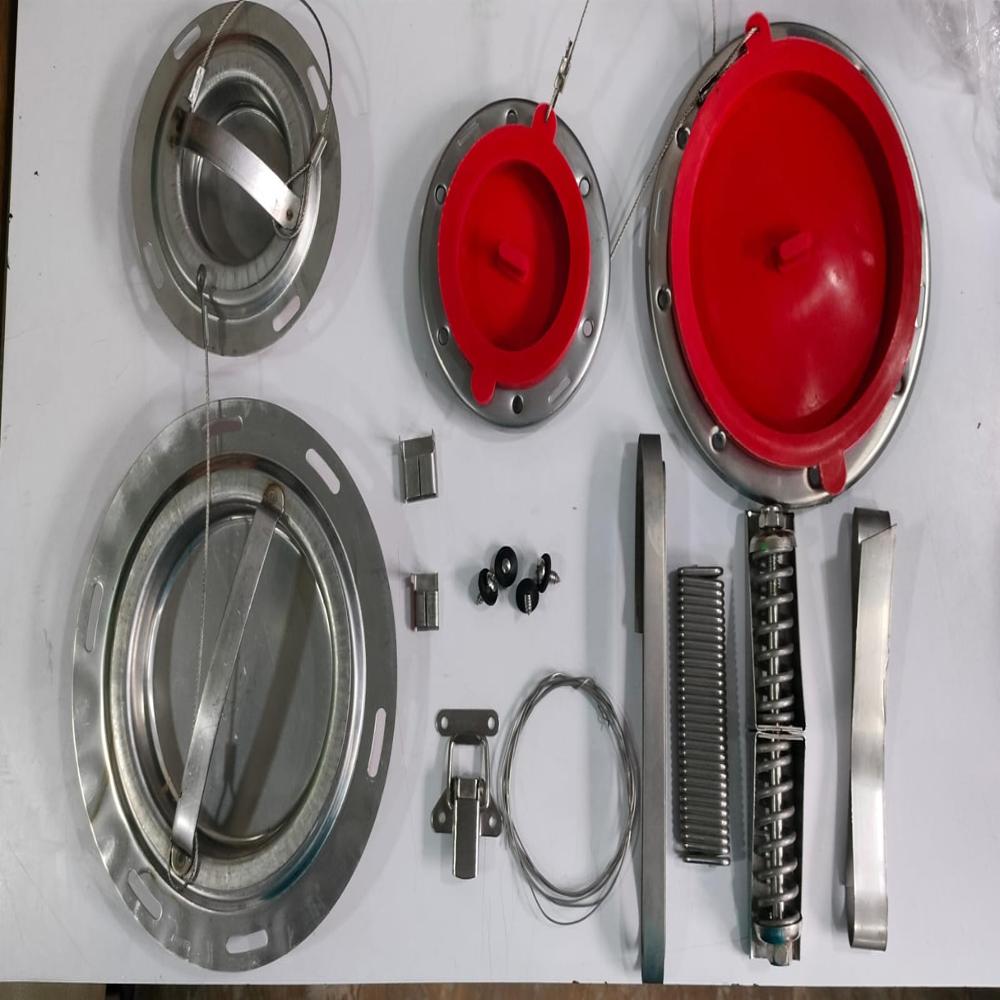
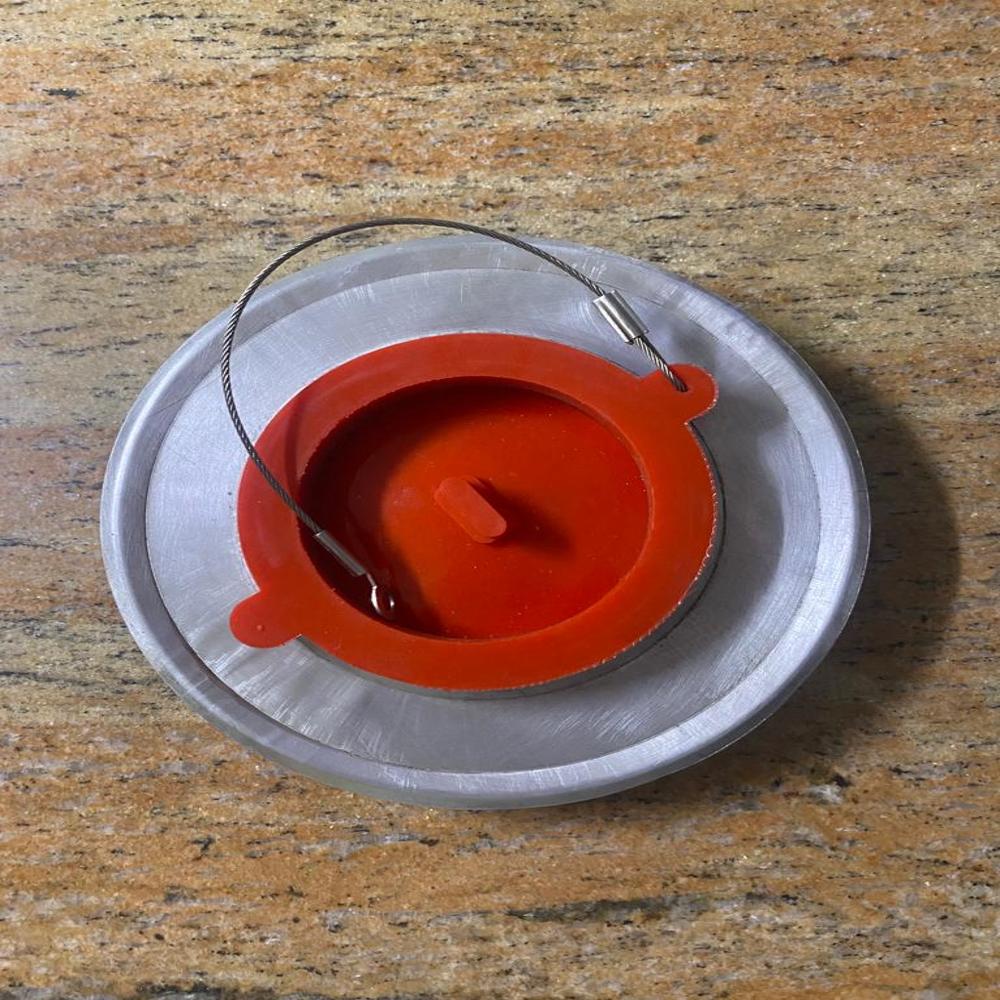
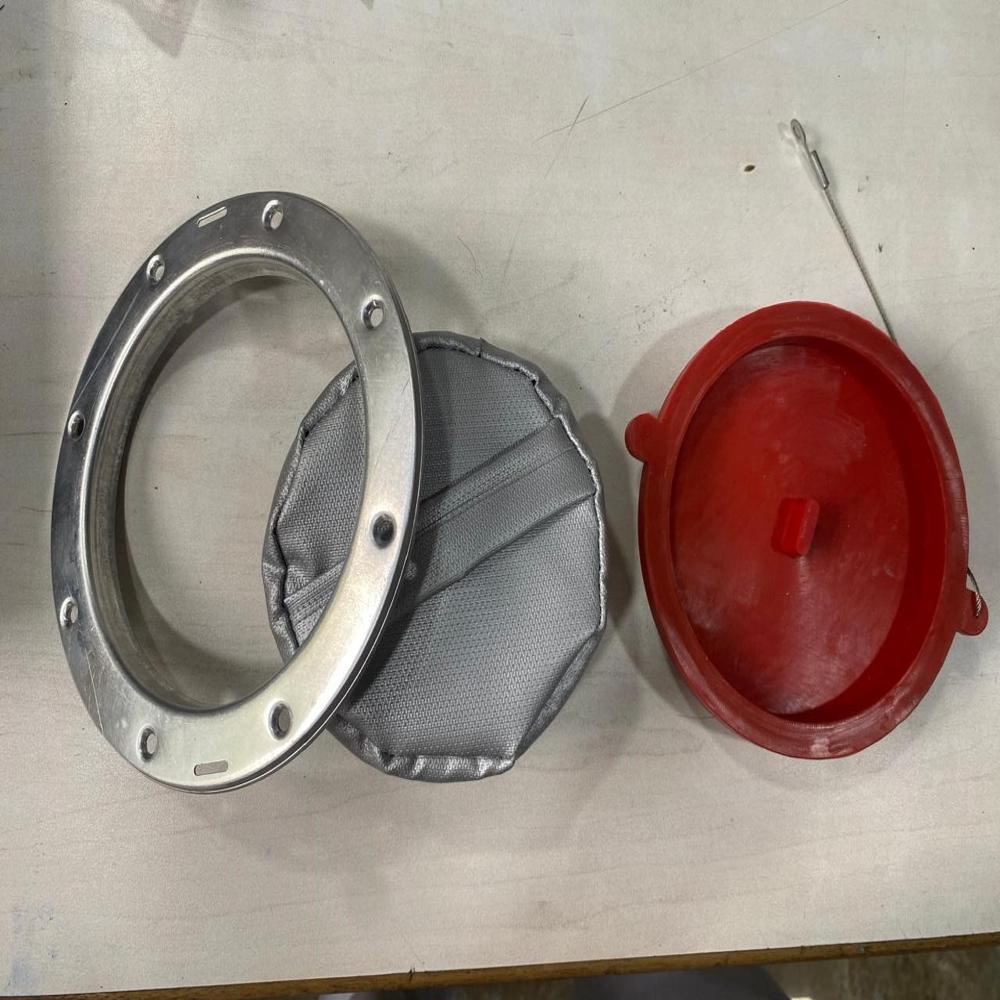
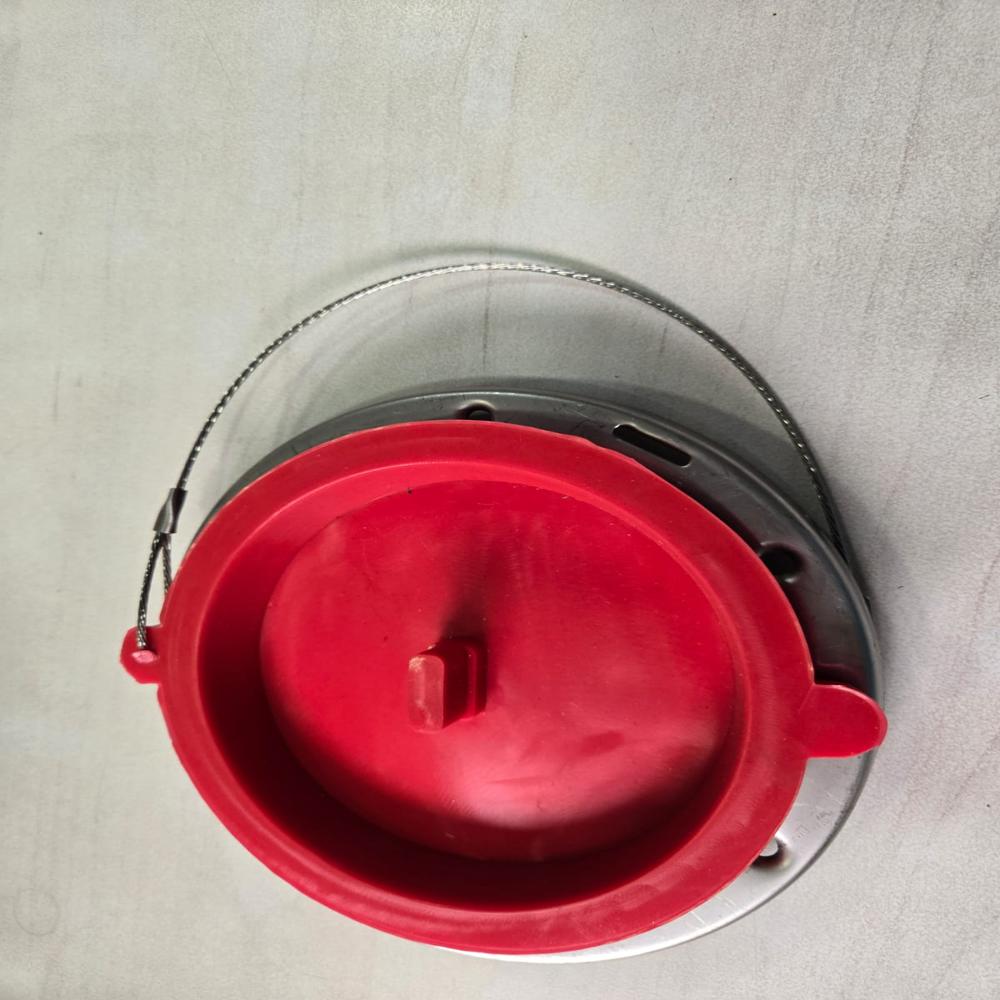
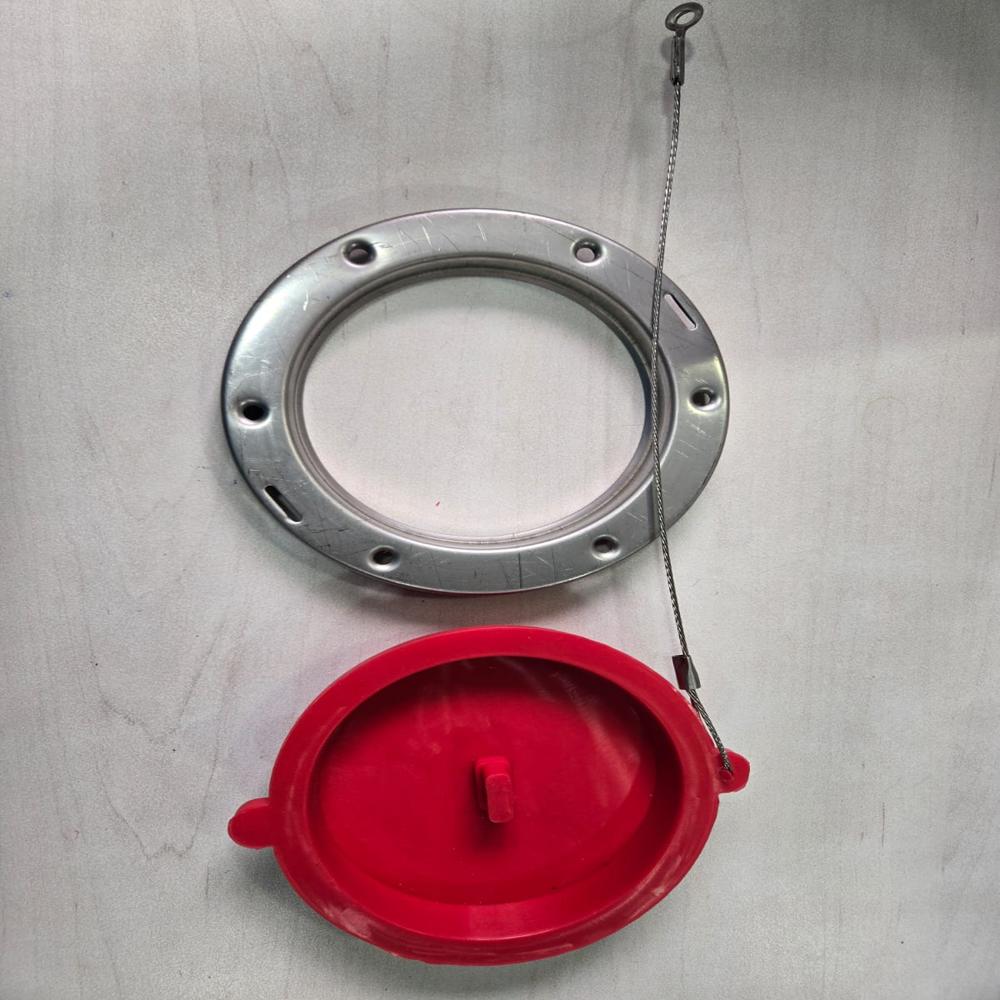

Insulation Inspection Plug Specification
- Product Type
- Insulation Inspection Plug
- Material
- Stainless Steel 304, 316
- Thickness
- Different Available Millimeter (mm)
- Application
- Industrial thermal insulation
- Color
- Silver
Insulation Inspection Plug Trade Information
- Minimum Order Quantity
- 500 Pieces
- Supply Ability
- 10000 Pieces Per Week
- Delivery Time
- 2 Days
- Sample Policy
- Contact us for information regarding our sample policy
- Packaging Details
- Packed in Corrugated Box, and pallets for ocen shipping
- Main Export Market(s)
- Middle East
- Main Domestic Market
- All India
- Certifications
- ISO 9001: 2015
About Insulation Inspection Plug
Inspection Plugs are designed to provide easy access to a pipe or vesselsurface for periodic inspection and testing. Inspection plugs can be installed on the outside of theinsulation jacket of any insulated pipe vessel tank process equipment
Durable Construction
Manufactured using premium Stainless Steel 304 and 316, these plugs offer exceptional resistance to corrosion and wear in harsh industrial environments. They maintain optimal performance under high temperatures, ensuring longevity and reliability for industrial thermal insulation systems.
Versatile Applications
Designed for industrial thermal insulation, these inspection plugs facilitate safe and efficient inspection of insulated pipes, tanks, or ducts. Their adaptability to varying thicknesses enables use across multiple insulation projects, guaranteeing secure fitting and easy accessibility.
Comprehensive Distribution
As a leading distributor, exporter, importer, manufacturer, service provider, supplier, trader, and wholesaler in India, we ensure the availability of these top-quality inspection plugs for all your insulation needs, backed by reliable service and technical support.
FAQ's of Insulation Inspection Plug:
Q: How does an insulation inspection plug benefit thermal insulation systems?
A: An insulation inspection plug allows for straightforward access to underlying pipes, tanks, or ducts so inspections and maintenance can be performed without removing or damaging the surrounding insulation. This helps maintain both energy efficiency and safety standards.Q: What materials are used in making the inspection plug?
A: The inspection plug is made from Stainless Steel 304 and 316, both known for their excellent corrosion resistance and durability in demanding industrial environments, ensuring reliable long-term use.Q: Where are these insulation inspection plugs commonly used?
A: These plugs are typically used in industrial thermal insulation systems, such as on boilers, pipelines, tanks, and ducts, where regular inspection and maintenance are required.Q: When should you install or use an insulation inspection plug?
A: Inspection plugs should be installed during the initial insulation process or during scheduled maintenance upgrades, ideally prior to system commissioning to ensure convenient future inspections.Q: What is the process for installing an insulation inspection plug?
A: Installation generally involves cutting an appropriately sized hole in the insulation, fitting the stainless steel plug in place, and securing it to allow easy repeated access for future inspections without disturbing the surrounding insulation.Q: How do you choose the correct thickness for your application?
A: The correct thickness depends on the insulation material and system specifications. Various millimeter options are available, and our team can help recommend the best fit based on your application's requirements.Price 500.0 INR/ Piece
- Minimum Order Quantity
- 500 Pieces
- Supply Ability
- 10000 Pieces Per Week
- Delivery Time
- 2 Days
- Main Domestic Market
- All India
- Main Export Market(s)
- Middle East
 Get Latest Price
Price:
- 50
- 100
- 200
- 250
- 500
- 1000+

More Products in Inspection Plugs Category
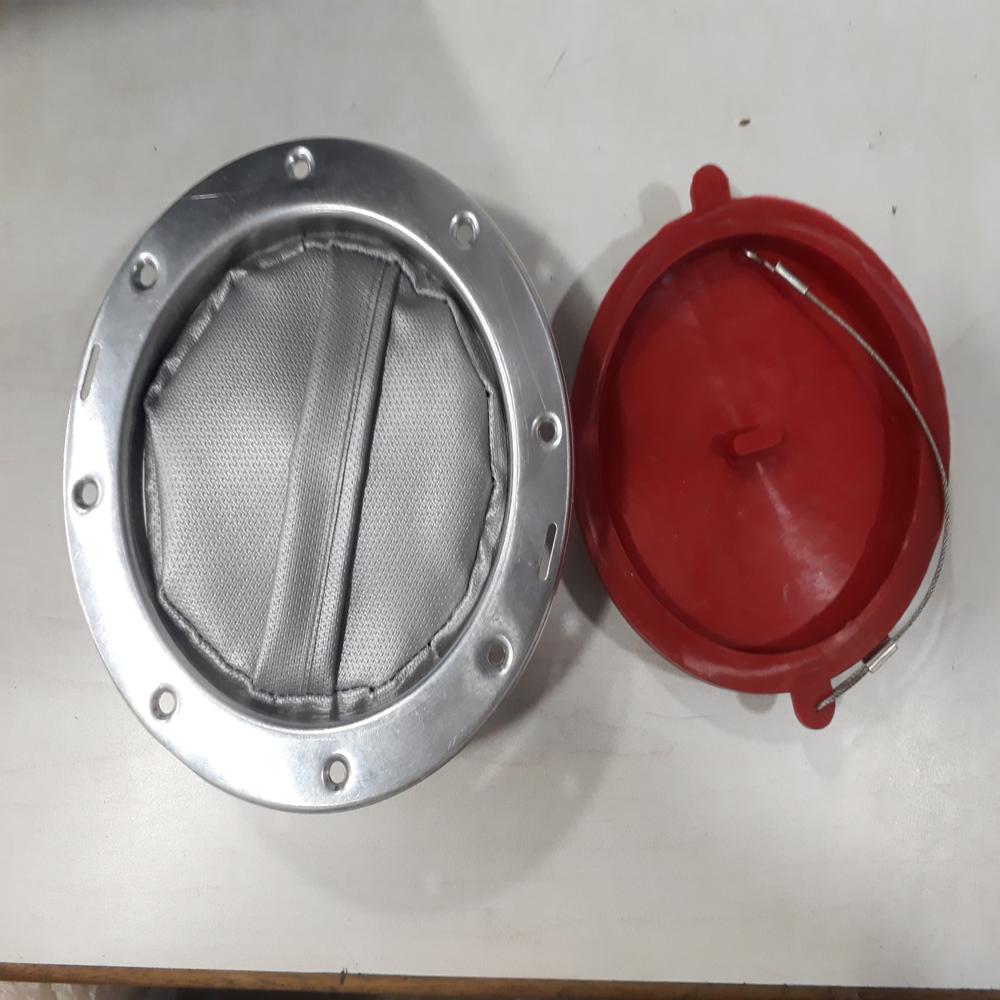
Silicone Inspection Plug
Price 500.0 INR / Unit
Minimum Order Quantity : 500 Units
Application : Access and seal inspection points on vessels, tanks, or pipes
Material : Silicone
Product Type : Inspection Plug
Thickness : 3 mm to 10 mm

Non Destructive Insulation Inspection Plug
Minimum Order Quantity : 10 Units
Application : Industrial thermal insulation
Material : Silicon
Product Type : Non Destructive Insulation Inspection Plug
Thickness : Different Available Millimeter (mm)
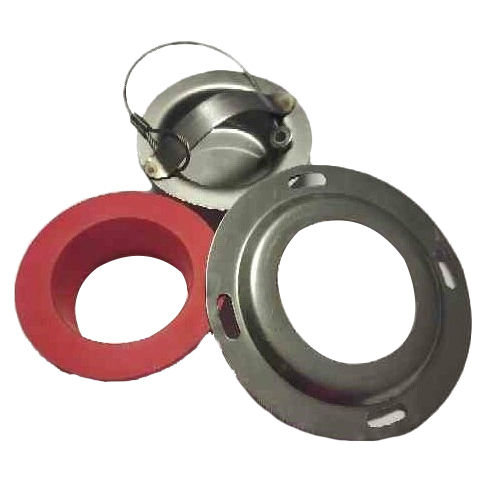
Insulation Inspection Plugs
Minimum Order Quantity : 10 Units
Application : Industrial
Material : Stainless Steel / Aluminium
Product Type : Insulation Inspection Plugs
Thickness : Different Available Millimeter (mm)
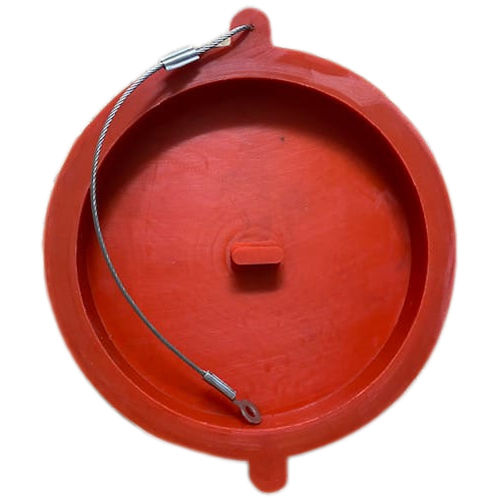
Silicone Inspection Plugs with Lanyard
Minimum Order Quantity : 50 Units
Application : Industrial thermal insulation
Material : Silicon
Product Type : Heavy Duty Insulation Inspection Plugs
Thickness : Different Available Millimeter (mm)

Developed and Managed by Infocom Network Private Limited.

